

From Desert Port to Global Powerhouse: The Untold Story of Dubai’s Rise Beyond Oil
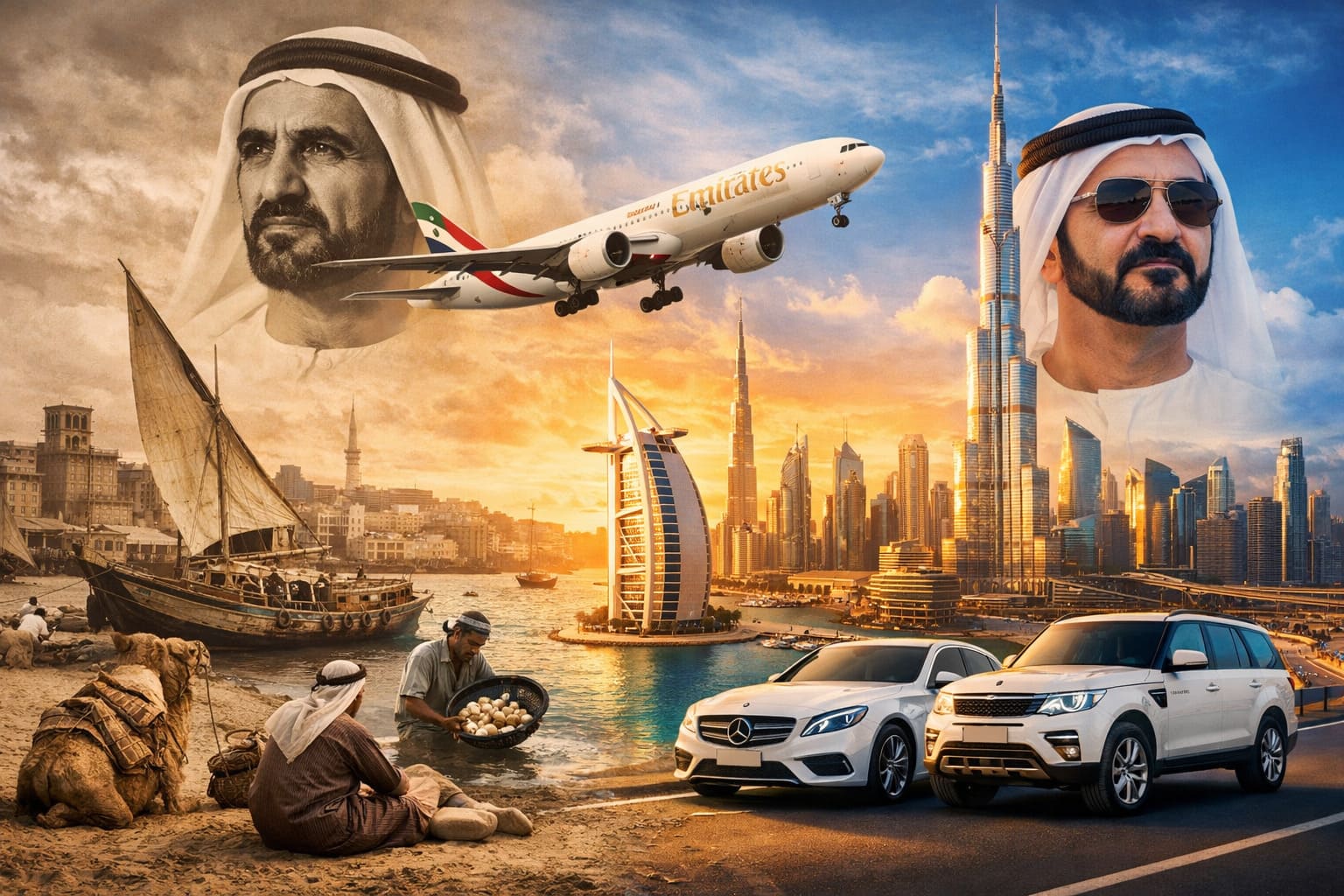
In the 1950s, Dubai was a modest trading settlement along the Arabian Gulf — no electricity, no paved roads, no running water. Life revolved around the sea, small souks, and survival. The backbone of the economy was pearl diving, a dangerous yet vital trade that supported families for generations.
But when Japan perfected cultured pearls in the early 20th century, the global pearl market collapsed. Dubai’s primary source of income disappeared almost overnight. Poverty deepened. Many families left. Survival became uncertain.
Yet crisis became the catalyst for transformation.
The Turning Point — 1959
In 1959, Sheikh Rashid bin Saeed Al Maktoum made a bold and controversial decision. He borrowed millions to dredge Dubai Creek, despite heavy criticism. Many believed the investment was reckless. The British even doubted the project.
But Sheikh Rashid saw what others could not — if Dubai deepened its creek, it could attract larger ships and dominate regional trade routes.
He was right.
Dredging the Creek allowed larger vessels to dock, boosting trade and cementing Dubai’s role as a commercial gateway between East and West. Trade flourished long before oil became significant.
Oil Arrives — But Vision Goes Further
Oil was discovered in Dubai in 1966. However, reserves were limited compared to neighboring emirates.
Sheikh Rashid famously warned:
“We must use oil to build an economy that does not rely on oil.”
Instead of depending on oil wealth, Dubai invested in infrastructure — ports, airports, roads, and free zones.
That philosophy shaped the city’s future.
1985 — A Risk Called Emirates
With just $10 million in seed funding and two leased aircraft, Dubai launched an airline in 1985.
That airline was Emirates Airline.
What started as a small regional carrier evolved into one of the world’s most powerful aviation brands — connecting continents and turning Dubai into a global transit hub.
The Era of Mega Vision
Under the leadership of Sheikh Mohammed bin Rashid Al Maktoum, Dubai accelerated its transformation.
Iconic landmarks emerged:
-
Burj Al Arab — redefining ultra-luxury hospitality
-
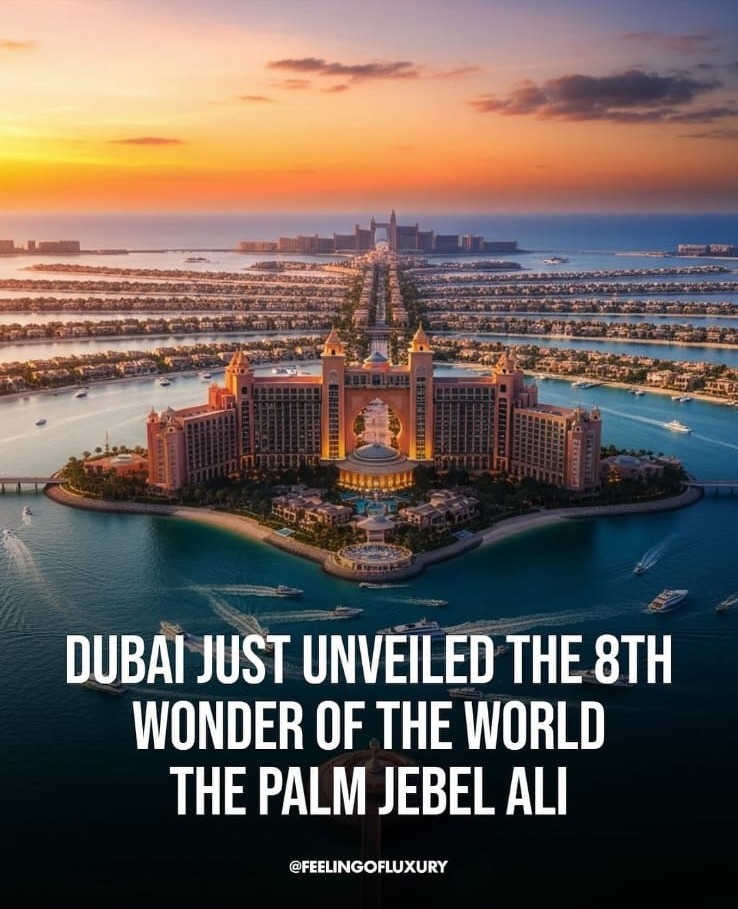
Palm Jumeirah — engineering ambition in the sea
-
Burj Khalifa — the tallest tower ever built
Dubai didn’t just build structures. It built statements.
Beyond Oil — A Diversified Powerhouse
Today, oil contributes less than 1% of Dubai’s GDP.
Instead, Dubai thrives on:
-
Global trade
-
Tourism
-
Aviation
-
Real estate
-
Financial services
-
Logistics
From a desert trading post to a global business capital — all within one lifetime.
The Philosophy That Built Dubai
A famous generational quote says:
“My grandfather rode a camel. My father rode a camel. I drive a Mercedes. My son drives a Land Rover. His son will ride a camel again.”
Dubai’s leadership understood this warning. Wealth is temporary without strategy.
So instead of consuming oil wealth, they reinvested it into infrastructure, branding, connectivity, and global positioning.
Dubai did not wait for the future.
It engineered it.
And that is why vision — when backed by bold execution — never expires.