

Ramadan in Dubai 2026: Best Experiences, Iftar Spots, and Cultural Activities
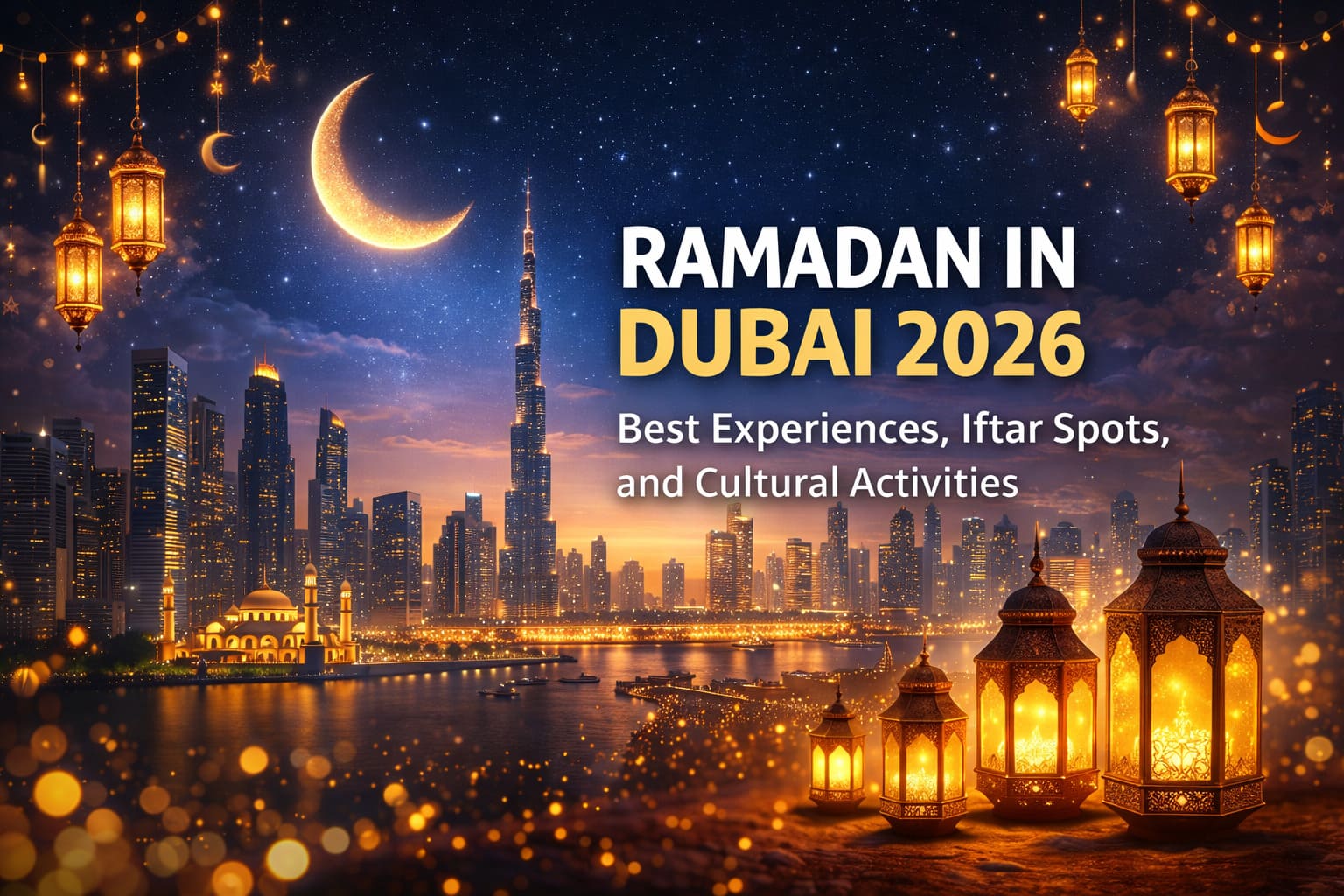
Experiencing Ramadan in Dubai
Every year, Ramadan transforms Dubai into a city of reflection, generosity, and vibrant nighttime energy. While the days are calm and contemplative, the city truly comes alive after sunset.
Once the Maghrib call to prayer signals the end of the fast, restaurants fill with families, Ramadan tents open their doors, and markets glow with traditional lanterns and decorations. Across the city, residents and visitors gather to share meals, explore cultural traditions, and celebrate the spirit of the holy month.
Ramadan in Dubai offers a unique blend of spiritual traditions, cultural heritage, and modern luxury experiences. From elegant Iftar buffets in luxury hotels to quiet walks through historic neighborhoods, the city offers something memorable for everyone.
For travelers visiting Dubai during Ramadan 2026, the experience goes far beyond tourism—it provides an opportunity to understand the traditions, hospitality, and community spirit that define this special time of year.
Best Things to Do in Dubai During Ramadan
1. Experience a Traditional Iftar in Dubai
Iftar is the meal that breaks the daily fast at sunset and is one of the most anticipated experiences during Ramadan.
Across Dubai, luxury hotels and restaurants create elaborate Ramadan tents and buffets, offering a wide range of Middle Eastern and international dishes.
One of the most famous venues is the Ramadan tent at Atlantis The Palm, known as the Asateer Tent, where guests enjoy a large buffet featuring Middle Eastern specialties, seafood stations, and live cooking counters in a beautiful waterfront setting.
Another popular venue is Jumeirah Al Qasr, which hosts elegant garden-style Iftar experiences surrounded by traditional architecture and lush landscapes.
Visitors seeking a more traditional Emirati dining experience can visit Al Fanar Restaurant and Cafe, where dishes such as machboos, harees, and luqaimat are served in a setting inspired by the UAE’s heritage.
Because Iftar begins immediately after sunset, reservations are highly recommended—especially during weekends and the final ten nights of Ramadan.
2. Enjoy Late-Night Suhoor Experiences
Suhoor is the pre-dawn meal eaten before the fasting day begins. In Dubai, however, Suhoor has become a social gathering that often continues well into the early morning hours.
Many hotels and lounges create cozy majlis-style settings where guests relax with traditional food, tea, and shisha.
At Madinat Jumeirah, Ramadan gardens host atmospheric Suhoor experiences with live oud music and traditional décor.
Meanwhile, Address Downtown offers Suhoor terraces overlooking the skyline and the iconic Burj Khalifa.
Popular areas like Dubai Marina and Downtown Dubai also feature lounges that stay open late into the night serving mezze, kunafa, Umm Ali, and traditional Ramadan drinks like jallab and qamar al-din.
3. Explore Old Dubai After Iftar
While modern Dubai offers luxury Ramadan experiences, the city’s historic districts provide a more traditional atmosphere.
After sunset, visitors can explore the charming alleyways of Al Fahidi Historical Neighborhood, where art galleries and cultural houses often host Ramadan exhibitions and storytelling sessions.
Walking along Dubai Creek offers a peaceful way to enjoy the evening atmosphere.
Visitors can also explore the famous Dubai Gold Souk and Dubai Spice Souk, where shops sell perfumes, saffron, spices, and traditional sweets.
For a classic Dubai experience, visitors can ride a traditional abra boat across the creek for a small fee while enjoying the cool evening breeze.
4. Visit Ramadan Night Markets and Pop-Up Events
Ramadan night markets add a festive atmosphere to Dubai’s evenings.
One of the most popular attractions during the season is Global Village, which extends its opening hours and hosts special Ramadan performances, shopping stalls, and food experiences representing cultures from around the world.
Meanwhile, Expo City Dubai organizes Ramadan-themed food festivals and evening events for families.
Another popular destination is City Walk, where seasonal markets, live music, and pop-up shops create a lively Ramadan atmosphere.
These markets typically open after Iftar and remain active late into the night.
5. Participate in Community Iftars and Charity Events
Ramadan is also a time of generosity and community service.
Across Dubai, many mosques and charities organize large Iftar tents where thousands of meals are distributed daily to workers, residents, and travelers.
Community groups often organize food distribution initiatives, particularly in areas with large worker populations.
Donation boxes appear in malls, supermarkets, and mosques throughout the city, encouraging residents and visitors to contribute to charitable causes.
Participating in these initiatives allows visitors to experience the deeper spirit of Ramadan and engage with the local community in a meaningful way.
6. Visit Mosques and Cultural Centers
Ramadan provides an excellent opportunity for visitors to learn more about Islamic traditions and culture.
The beautiful Jumeirah Mosque offers guided cultural tours as part of its Open Doors, Open Minds program, where visitors can learn about Islamic prayer, fasting, and Ramadan traditions.
Another cultural destination is the Sheikh Mohammed Centre for Cultural Understanding, located in Al Fahidi, where visitors can attend traditional meals and educational sessions about Emirati culture.
Visitors should dress modestly when entering mosques and behave respectfully during visits.
7. Enjoy a Desert Iftar or Evening Safari
For a truly unique Ramadan experience, many tour operators offer desert safaris that include Iftar in Bedouin-style camps.
Guests enjoy sunset dune drives followed by traditional dinners served under lantern-lit tents.
Typical meals include grilled meats, Arabic rice dishes, salads, and desserts.
Many camps also feature cultural entertainment such as Tanoura dance performances and fire shows.
With cooler evening temperatures and clear desert skies, a Ramadan desert safari offers one of the most memorable experiences in Dubai.
8. Shop During Ramadan and Pre-Eid Sales
Ramadan is also one of Dubai’s biggest shopping seasons.
Major malls extend their operating hours, allowing visitors to shop late into the night.
Decorations, Ramadan promotions, and special events fill destinations such as Dubai Mall and Mall of the Emirates.
Luxury brands often release special Ramadan fashion collections, while home décor stores sell lanterns, tableware, and festive decorations.
The atmosphere in shopping districts becomes lively after Iftar as families gather to shop and enjoy the evening.
Conclusion: Discover the Spirit of Ramadan in Dubai
Ramadan in Dubai offers a unique blend of spirituality, culture, and celebration.
During the day, the city moves at a calm pace as people focus on reflection and prayer. After sunset, however, Dubai transforms into a vibrant destination filled with Iftar gatherings, night markets, cultural activities, and community events.
Whether visitors choose to enjoy luxury Ramadan tents, explore historic neighborhoods, participate in charity initiatives, or experience the desert under the stars, Ramadan provides a meaningful way to discover Dubai’s culture and hospitality.
For travelers and residents alike, Ramadan in Dubai is not just a season—it is an unforgettable cultural experience.