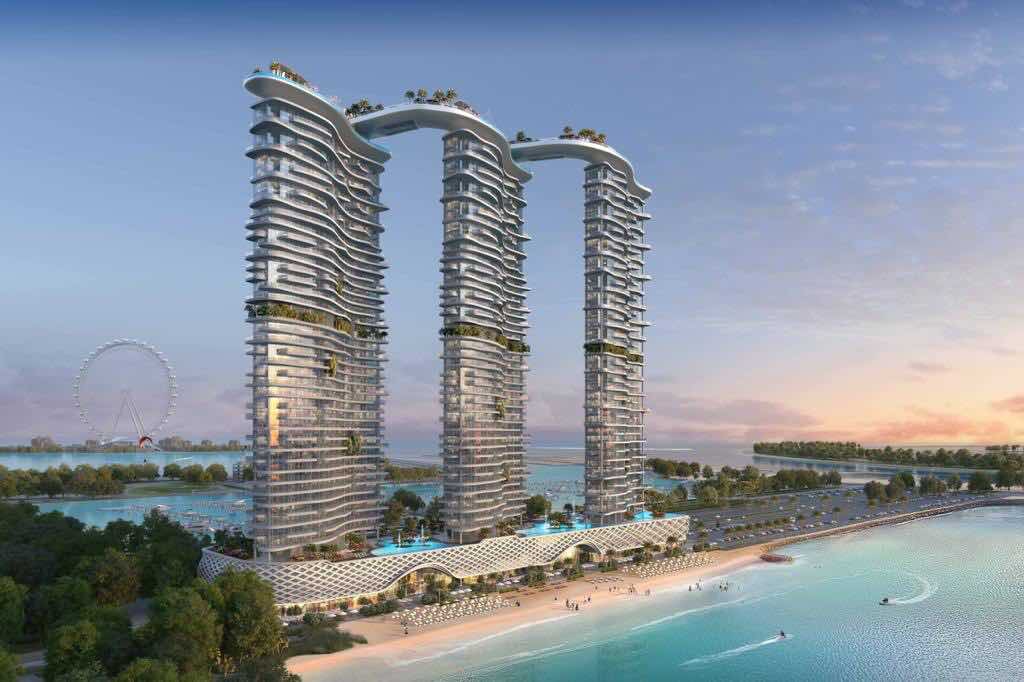


Dubai 2040 Master Plan: How the City Will Transform Over the Next Two Decades
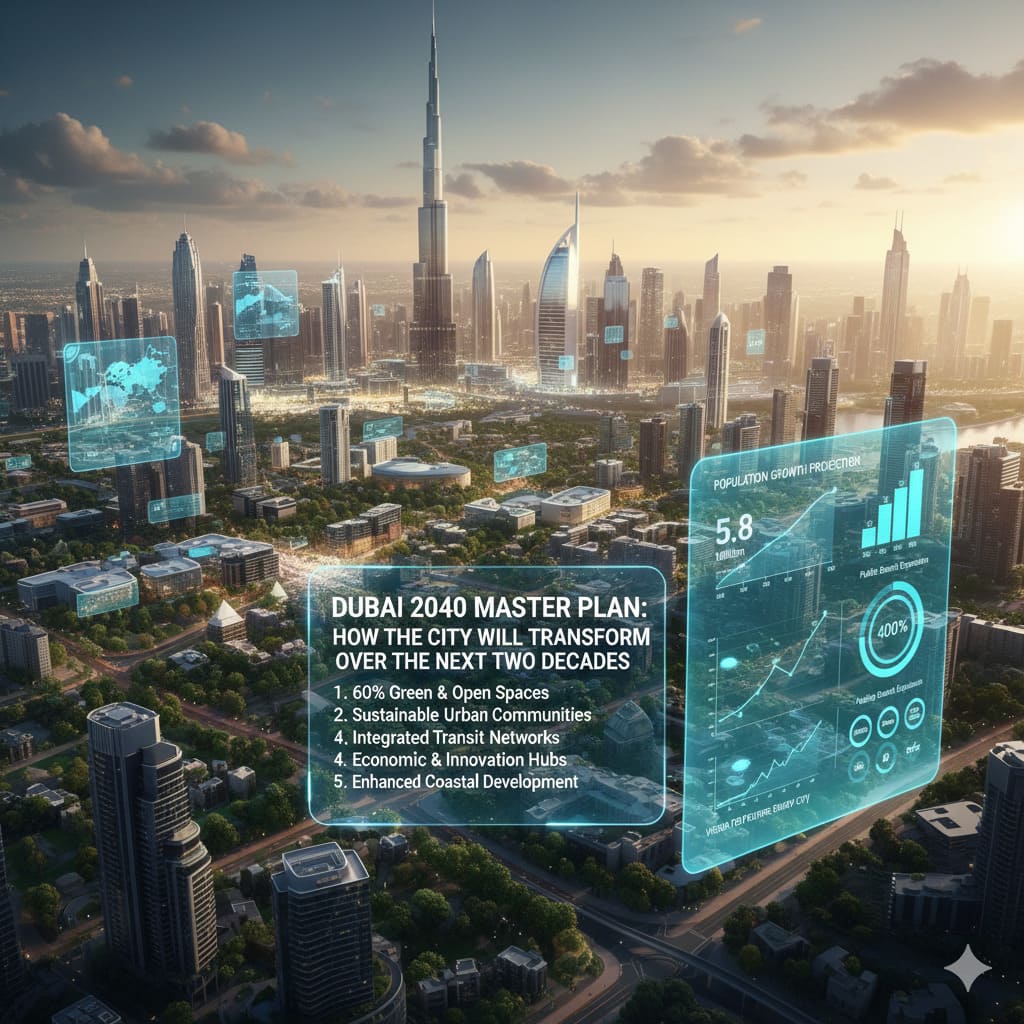
Dubai has always been a city of vision and innovation, and the Dubai 2040 Urban Master Plan is the next leap in its ambitious growth story. Designed to reshape the city’s urban landscape, economy, and lifestyle, the plan focuses on sustainability, smart infrastructure, and balanced urban living.
For investors, developers, and residents alike, Dubai 2040 promises unprecedented opportunities as the city expands its footprint while enhancing livability and connectivity.
What Is the Dubai 2040 Master Plan?
The Dubai 2040 Master Plan is a comprehensive urban development strategy aimed at creating a sustainable, inclusive, and highly functional city. It emphasizes:
-
Expanding residential and commercial spaces
-
Increasing green areas and public parks
-
Enhancing transportation networks
-
Developing mixed-use urban communities
-
Supporting economic diversification and innovation
This forward-looking plan is designed to ensure Dubai remains competitive on the global stage while improving the quality of life for its residents.
Key Features of the Dubai 2040 Plan
1. More Green Spaces and Sustainable Living
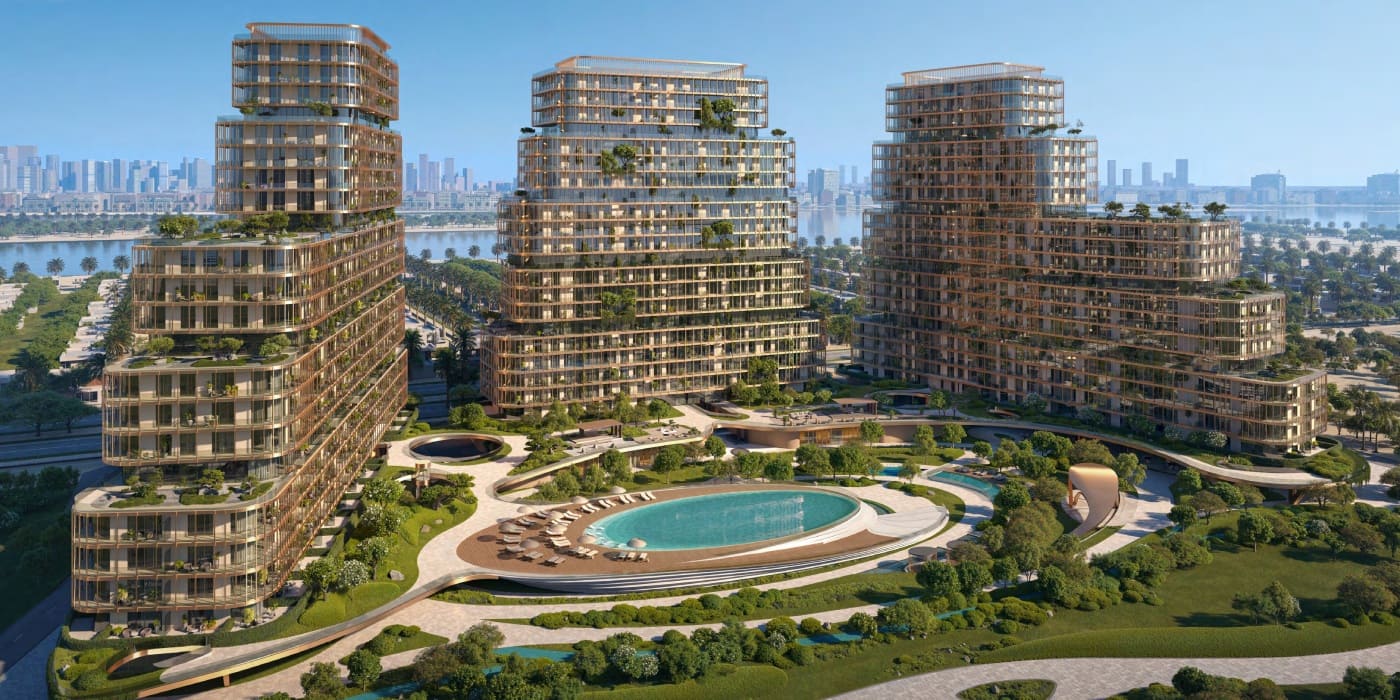
One of the most striking aspects of the plan is the commitment to sustainability. Dubai aims to increase green areas from 8% to 17% of the city’s total area, adding parks, public gardens, and open recreational spaces. This will create healthier, more livable neighborhoods and enhance property value across the city.
2. Residential Expansion and Community Development
Dubai 2040 focuses on well-planned residential communities that balance density with open spaces. New housing developments will prioritize:
-
Low- to mid-rise structures for family-friendly living
-
Mixed-use communities combining residential, retail, and leisure
-
Affordable and mid-market housing to meet growing population demand
3. Smart and Efficient Transportation
Transportation is a core focus, with plans to:
-
Expand metro, tram, and bus networks
-
Introduce smart traffic management systems
-
Promote walkable, pedestrian-friendly communities
Enhanced connectivity will boost real estate demand in newly developed areas and improve overall city accessibility.
4. Strategic Economic and Commercial Zones
Dubai 2040 is designed to support diverse business sectors, from tourism and trade to technology and innovation hubs. Key commercial areas will benefit from:
-
Strategic zoning and infrastructure upgrades
-
Modern office spaces in mixed-use developments
-
Opportunities for global investors and multinational companies
5. Tourism, Leisure, and Cultural Expansion
Dubai’s identity as a global tourist destination will continue to grow, with:
-
Expanded waterfront attractions and beaches
-
New cultural, entertainment, and leisure districts
-
Integrated hospitality and retail developments
These developments are expected to increase property demand and rental yields, particularly in tourism-focused neighborhoods.
Opportunities for Investors and Developers
The Dubai 2040 Plan opens multiple avenues for investment:
-
Emerging Residential Areas: Early investment in new communities offers long-term capital appreciation.
-
Commercial Hubs: Mixed-use developments will attract businesses and tenants seeking modern office spaces.
-
Sustainable Living Projects: Eco-friendly developments aligned with the master plan will be highly desirable.
-
Tourism and Hospitality: Waterfront, leisure, and hotel projects will benefit from increased tourist footfall.
Investors who align their strategies with Dubai 2040 are likely to maximize returns and secure prime locations in the city’s future urban fabric.
Final Thoughts
Dubai 2040 is more than a city plan—it’s a vision for a smarter, greener, and more sustainable metropolis. With an emphasis on residential expansion, infrastructure upgrades, and economic diversification, the plan is set to reshape the entire real estate landscape.
For investors, developers, and residents, understanding the Dubai 2040 vision is essential for making informed decisions, identifying growth hotspots, and capitalizing on emerging opportunities.